Kenton HA3 Removals Guide: Narrow Lanes & Permit Advice
Posted on 22/05/2026
Moving home or business in Kenton HA3 can look straightforward on paper, then suddenly feel a lot more complicated the moment a van turns into a narrow lane and meets a line of parked cars. That is exactly why a Kenton HA3 Removals Guide: Narrow Lanes & Permit Advice matters. In this part of North West London, access is often the real challenge, not the lifting.
Whether you are moving from a flat near the high street, a terraced house on a tighter residential road, or an office where loading space is limited, the right plan can save time, stress, and a few avoidable headaches. This guide breaks down how access works, when permits may be needed, what to check before the van arrives, and how to make the move feel calm rather than chaotic. To be fair, that calm is usually built in the planning stage, not on moving day itself.
If you want a broader look at the service side too, you may also find our removals in Kenton page useful, alongside the wider services overview.
Why Kenton HA3 Removals Guide: Narrow Lanes & Permit Advice Matters
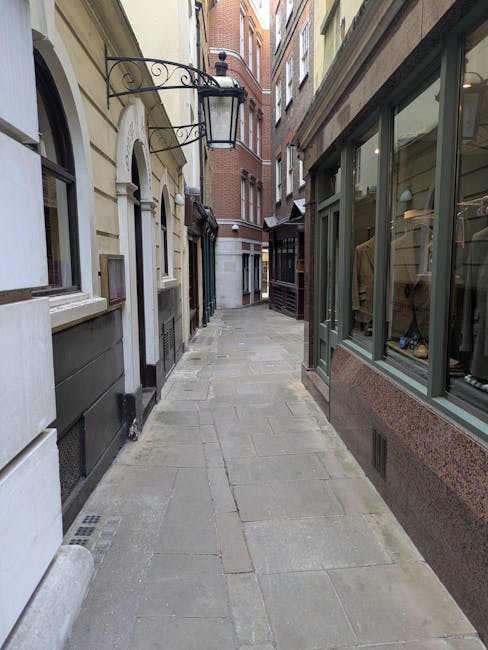
Kenton and the wider HA3 area have a mix of residential streets, side roads, and older housing layouts that can make removals a little awkward. Some roads are simply not built for easy two-way loading. Others have parking pressure that turns a five-minute unload into a careful negotiation with kerb space, neighbours, and timing.
That matters because moving is already demanding. Add limited access, tight turning space, or a permit issue, and the day can unravel quickly. A van that cannot stop close to the property means more walking, more carrying, and more risk of damage. Nobody wants a sofa on a second lap because the first parking spot was a bit optimistic.
Permit advice matters too because local parking arrangements are often overlooked until the last minute. If loading restrictions, controlled parking zones, or visitor bays are involved, a move can be delayed or disrupted. That can affect labour time, vehicle idling, and even whether the removal crew can work efficiently at all.
This is also where practical planning becomes valuable. If you know the road is tight, you can choose a suitable vehicle, book the right help, and prepare items in a way that reduces time on the street. For example, using smart labelling and compact packing can make a major difference; our guide on creative packing solutions for a stress-free house move is a good companion read.
How Kenton HA3 Removals Guide: Narrow Lanes & Permit Advice Works
The basic idea is simple: match the move to the street, not the other way around. In practice, that means checking access early, assessing whether a small van or a larger removal vehicle is realistic, and confirming if parking or loading permission is needed.
A good removal plan usually follows a few stages:
- Assess the access. Look at road width, turning room, pavement space, and whether the property sits on a cul-de-sac, side road, or busy through road.
- Check the parking rules. Identify controlled parking, yellow lines, suspended bays, or any loading restrictions that could affect the van's stopping point.
- Decide the vehicle size. In narrow lanes, a smaller removal van or man and van service can sometimes be more practical than a full-size lorry.
- Prepare the property. Clear hallways, reserve internal space for staged packing, and keep the exit path open.
- Plan the loading sequence. Put bulky items, fragile boxes, and awkward shapes in a logical order so the crew is not constantly reshuffling.
- Build in contingency time. Traffic, parking, and neighbours' cars can all add delays. A bit of slack helps.
One thing people often underestimate is how much the final 20 metres matter. If the van is parked well but the doorway is awkward, or the stairwell is cramped, the move still slows down. That is why local removals are as much about micro-logistics as they are about transport.
For homes that need a more flexible approach, a man with a van in Kenton can be a useful fit. If you are comparing different service types, the page on man and van in Kenton may help clarify what suits your move best.
Key Benefits and Practical Advantages
Good access planning is not just about avoiding problems. It also creates a better move overall. You notice the difference in the small things: fewer pauses, less carrying back and forth, fewer chances for scuffed walls or a knocked doorframe. It feels smoother because it is smoother.
- Less wasted time. A van that can park close to the property speeds up loading and unloading.
- Lower physical strain. Shorter carrying distances reduce the chance of tired handling and accidental drops.
- Reduced damage risk. Narrow hallways and awkward corners are easier to manage when the move is planned around them.
- Better cost control. Less delay usually means a more efficient booking window, especially for hourly jobs.
- Less stress for everyone. You are not trying to solve parking while also finding box tape and a kettle.
There is also a confidence benefit. Once you know the access problem has been thought through, the rest of the move feels more manageable. That can make a real difference, especially if you are moving with children, working to a deadline, or handling a flat move where every minute seems to matter.
For furniture-heavy homes, the local service page on furniture removals Kenton is worth a look. And if you are moving a flat rather than a house, our flat removals Kenton page gives a more specific view of that kind of move.
Who This Is For and When It Makes Sense
This guide is useful for a wide range of movers, but especially for people dealing with tight streets, permit-sensitive parking, or awkward property access. If you live on a road where a van cannot simply pull up and wait, you are the right audience. Simple as that.
It is particularly relevant if you are:
- moving from a terraced house or a small cul-de-sac in HA3
- moving into or out of a flat with limited on-street space
- arranging a same-day move and need the day to run cleanly
- relocating a student load with boxes, bags, and a few larger items
- moving office equipment in a location where parking is tightly controlled
- handling bulky furniture that needs careful positioning at the kerb
It also makes sense if you are doing part of the move yourself and part with a professional team. A hybrid move can work very well, but only if the access strategy is clear from the start.
For students, the lower-volume approach can be a good fit; see our student removals Kenton page for that kind of move. For larger domestic jobs, the house removals Kenton service is often the better match.
Step-by-Step Guidance
Here is a straightforward way to handle narrow lanes and permit questions without overcomplicating the day.
1. Check the street before you book
Walk the route from the property to the nearest sensible stopping point. Look for pinch points, low branches, parked cars, dropped kerbs, and one-way restrictions. If possible, do this at roughly the same time of day as your move. Morning and late afternoon can feel very different in Kenton, especially on busier residential roads.
2. Measure the awkward bits
You do not need a surveyor's kit. Just take note of stair turns, hallway widths, and any tight front-path sections. If a wardrobe or sofa has to come around a corner, one surprising inch can matter more than you'd think.
3. Confirm parking and loading rules
Check whether the road has pay-and-display bays, permit bays, loading bays, or yellow line restrictions. If you are unsure, it is better to ask than assume. Sometimes residents can use visitor permits, but that depends on the local setup and how long the van needs to stay put.
4. Match the vehicle to the access
A smaller vehicle is not always a downgrade. In a tight lane, it can be the smart choice. The goal is to load efficiently without blocking the road or forcing long carries. If access is especially limited, ask about a tailored van size or split-load approach.
5. Prepare the first-load items
Boxes, dismantled furniture, and essentials should be clearly separated. Keep kettle, toiletries, phone charger, and documents easy to reach. Nobody enjoys hunting for the one box marked "misc." at the end of a long day. Been there, regretted it.
6. Stage bulky items near the exit
Large items should be ready first, not last. Sofas, beds, and appliances often take the most effort, so get them out of the way early. For mattress planning, our guide on optimising your bed and mattress moving process is useful.
7. Keep communication open on the day
If the van has to wait, circle, or use a different approach because of parked cars or road conditions, make sure the crew and the household are synced up. A quick call or text can save 15 minutes of confusion.
8. Leave a small buffer
Even a well-planned local move can be affected by traffic, neighbour parking, or a delivery truck blocking access for ten minutes. A modest buffer helps the whole day stay calm. Not glamorous, but effective.
Expert Tips for Better Results
The best access advice is often the simplest, but there are a few details that consistently make things easier.
- Use smaller boxes for dense items. Heavy books, kitchenware, and tools are easier to carry when split into manageable loads.
- Dismantle furniture where practical. This matters in stairwells and narrow hallways. It can be the difference between a clean move and a clumsy wrestle.
- Protect the route inside the property. Floor covers, blankets, and corner guards help when corridors are tight or freshly painted.
- Plan around school run and commuter traffic. Kenton roads can feel very different at different times of day.
- Keep the loading door open only when needed. In narrow lanes, this helps the crew work efficiently and reduces clutter around the vehicle.
If you have fragile or specialist items, raise them early. Pianos, for example, are not something to leave as an afterthought. If that applies to you, the page on piano removals Kenton explains the specialist approach, while our article on how professionals master the art of piano moving adds more practical context.
There is also a less obvious tip: declutter before you pack. Narrow-access moves punish unnecessary volume. The less you take, the less you need to carry through a difficult route. Our decluttering tips before the move guide covers this well.
Common Mistakes to Avoid
Most moving problems in tight-access areas are not dramatic. They are small mistakes that stack up. The good news is that most of them are avoidable.
- Assuming a van can park anywhere. It often cannot. A short walk from the van is manageable; an unplanned long carry is not ideal.
- Leaving permit checks too late. This is one of the easiest things to forget, and one of the easiest to prevent.
- Overfilling boxes. A box that is impossible to lift is a problem even on a wide street.
- Ignoring stairwell geometry. Many people measure rooms but not turns, which is where trouble often starts.
- Booking the wrong vehicle size. Bigger is not always better. Sometimes it is just harder to place.
- Not preparing neighbours or building managers. In some buildings, simple notice can avoid friction on the day.
Another common issue is forgetting about the final clean. If you are moving out of a rental or preparing a property for handover, plan time for that properly. A practical companion article is strategic cleaning for move-out day.
Tools, Resources and Recommendations
You do not need a huge toolkit to make a narrow-lane move work, but a few basics help a lot.
| Tool or Resource | Why It Helps | Best Used For |
|---|---|---|
| Measuring tape | Checks doorways, halls, and furniture clearances | Bulky items and awkward corners |
| Boxes in mixed sizes | Keeps loads balanced and easier to carry | General household packing |
| Labels and marker pens | Speeds unloading and room placement | All domestic and office moves |
| Protective covers | Reduces damage to furniture and property finishes | Sofas, mattresses, and wood furniture |
| Parking/permit information | Helps avoid last-minute disruption | Street-based loading in HA3 |
For packing support, our packing and boxes Kenton page is a useful reference. If your move requires temporary holding space, storage in Kenton can make the whole process less rushed.
Some households also need item-specific care. If you are moving a sofa, the advice in sofa maintenance and storage insights may help protect it during a staged move, while freezer owners may want to read how to ensure your freezer's health when unused before disconnecting appliances.
Law, Compliance, Standards, or Best Practice
For local removals, the most important point is simple: do not assume parking or loading is allowed just because the street looks quiet. Local parking controls, permit zones, and loading restrictions vary, and they can change by time of day. If a move involves controlled parking, it is sensible to check the relevant local authority guidance in advance rather than relying on guesswork.
From a best-practice point of view, a professional removal plan should also consider:
- Road safety. Vans should not be left in a position that blocks traffic, sightlines, or safe pedestrian movement.
- Manual handling. Heavy lifting should be planned to reduce risk, not improvised at the doorway. Our article on kinetic lifting and its core dynamics and the practical solo heavy object lifting guide both touch on safer handling principles.
- Property protection. Floors, bannisters, and walls should be protected where needed.
- Insurance awareness. It is wise to know what cover applies to your belongings and the handling process. Our insurance and safety page explains this in plain English.
Best practice is not about being overly formal. It is about preventing avoidable problems. A move that respects access rules and safety considerations is usually the move that finishes on time and with fewer surprises.
Options, Methods, or Comparison Table
Different moves call for different approaches. In Kenton HA3, access often decides the best fit more than volume alone.
| Option | Best For | Strengths | Trade-offs |
|---|---|---|---|
| Man and van | Smaller loads, flexible timing, tight streets | Agile, often easier to park, good for short-notice moves | May require more trips for larger homes |
| Full house removal service | Family homes, larger furniture, fuller inventories | More capacity, better for complete household relocation | Needs more space and stronger access planning |
| Flat-focused move | Flats, apartments, upper floors | Designed around stairwells, lifts, and compact access | Still needs parking and loading arrangements |
| Same-day removal | Urgent changes, deadline-driven situations | Fast response, practical for sudden move dates | Less room for permit delays or access surprises |
If the move is urgent, our same-day removals Kenton page is worth checking. If you are looking at provider options more broadly, the removal companies Kenton page can help you compare service types without getting lost in jargon.
Case Study or Real-World Example
Here is a realistic example from the kind of move many people in HA3 face.
A couple moving from a compact terraced house in Kenton had two bedrooms' worth of furniture, a narrow front path, and on-street parking that was usually full by late morning. The property looked easy enough from the outside, but the street layout meant a large van would have struggled to stop close to the door. On top of that, they had a sofa, a bed frame, and a heavy chest of drawers that needed careful handling around a tight hallway.
The solution was not dramatic. It was just well planned.
- They packed the smaller boxes early and labelled them by room.
- They checked access the day before and identified a practical loading position.
- They dismantled the bed and reduced the number of awkward shapes.
- They moved the largest items first while the hallway was still clear.
- They left a small buffer in the schedule, which turned out to be useful when a neighbour's car needed moving.
The result was a steady move without panic. Not perfect, because real moves rarely are. But it was controlled, which is what mattered. If anything, the biggest difference was that nobody had to make frantic decisions on the pavement while holding a box and a door key.
That is the general lesson here: the move went well because the access problem was treated as part of the plan, not a surprise.
Practical Checklist
Use this simple checklist before moving day. It is not fancy, but it works.
- Confirm the exact move date and arrival window.
- Check whether the street has parking or loading restrictions.
- Ask whether a permit, visitor pass, or temporary arrangement is needed.
- Measure hallways, stair turns, and key doorways.
- Identify the safest stopping point for the van.
- Choose the right vehicle size for access conditions.
- Pack heavy items into smaller boxes where possible.
- Dismantle furniture that will otherwise struggle through tight spaces.
- Protect floors, corners, and surfaces inside the property.
- Set aside essentials for the first day and keep them separate.
- Tell neighbours or building contacts if access could be affected.
- Keep phone numbers handy in case the van needs direction on arrival.
If you want to keep the process tidier overall, the article on moving homes calmly is a good mindset companion. Little details, honestly, add up.
Conclusion
Narrow lanes and permit questions do not have to derail a move in Kenton HA3. Once you understand the access, choose the right vehicle, and plan around local parking realities, everything becomes more manageable. The move may still be busy, and there may still be a few awkward moments, but it will feel organised rather than chaotic.
The real win is not just getting from A to B. It is getting there with less stress, fewer delays, and a lot less carrying than you expected. That is what good local removals should do.
If you are comparing options, looking for a trusted team, or simply want a clear quote before you commit, start with the service information that fits your move and go from there. The next step does not need to be complicated.
Get a free quote today and see how much you can save.
And if you are still in the planning stage, that is fine too. A well-prepared move has a quieter rhythm, and sometimes that is exactly what you need.